A Beginner's Guide to Planning Your Kitchen and Bedroom Installations


Understanding Your Needs
Before diving into the installation process, it's crucial to understand your specific needs for both your kitchen and bedroom. Consider how you use each space daily. Are you an avid cook who needs plenty of counter space? Or perhaps you need ample storage in your bedroom for your growing wardrobe. Identifying these needs will help you make informed decisions.
Start by making a list of essential features. For the kitchen, this might include a large island, energy-efficient appliances, or a pantry. In the bedroom, consider closet space, lighting, and furniture layout. Prioritizing these elements will guide your planning process.
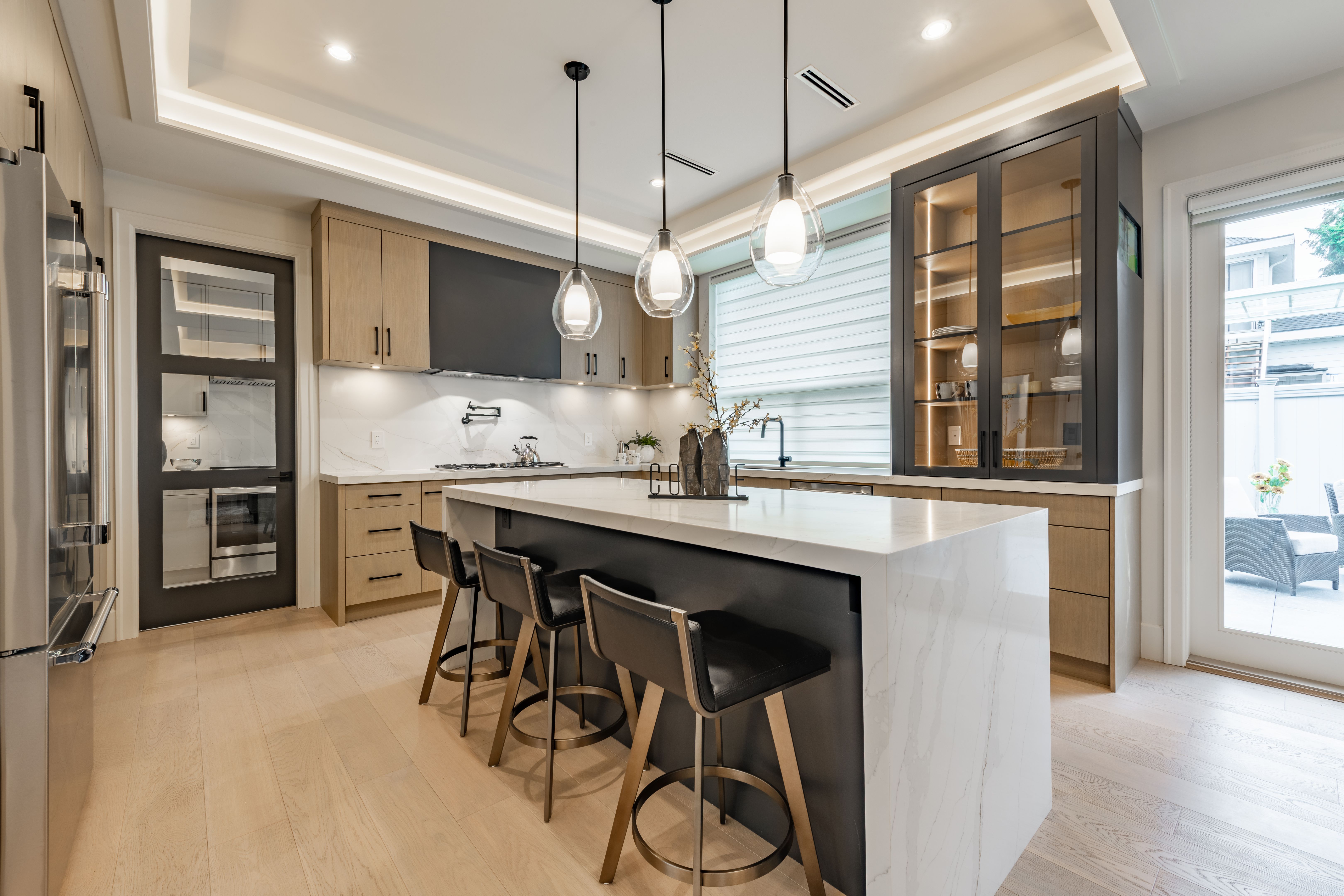
Setting a Budget
Once you have a clear understanding of your needs, it's time to set a budget. Your budget will dictate the materials, appliances, and contractors you can hire. Be realistic about what you can afford and factor in a little extra for unexpected expenses.
Research the costs of different materials and installation services in your area. Create a detailed budget plan that includes everything from cabinetry and countertops to flooring and fixtures. By planning ahead, you can avoid overspending and ensure a smooth installation process.
Designing the Layout
The layout of your kitchen and bedroom is fundamental to their functionality and aesthetic appeal. For the kitchen, consider the work triangle—the relationship between the stove, sink, and refrigerator. A well-planned triangle can make cooking more efficient and enjoyable.
In the bedroom, think about the placement of your bed, wardrobes, and any additional furniture. Ensure there's enough space to move around comfortably. Use design software or consult with a professional to visualize different layout options.

Choosing the Right Materials
Materials play a significant role in the look and durability of your kitchen and bedroom. For the kitchen, choose materials that are easy to clean and maintain, such as quartz or granite countertops. In the bedroom, opt for materials that create a cozy atmosphere, like hardwood flooring or plush carpeting.
Consider the color scheme as well. Neutral tones can create a timeless look, while bold colors can add personality. Ensure that the materials you choose align with your overall design vision and budget.
Hiring Professionals
While some installations can be done as DIY projects, hiring professionals often ensures a higher quality finish. Research local contractors, read reviews, and ask for recommendations from friends or family. Request quotes from multiple providers to find the best deal.
Ensure that the professionals you hire are licensed and insured. This not only protects your investment but also provides peace of mind knowing that the job will be done correctly.
Preparing for Installation
Before installation begins, prepare your home to minimize disruption. Clear out the areas where work will be done and protect existing furniture and flooring. Communicate with your contractor to understand the timeline and any specific requirements they might have.
Consider temporarily relocating certain activities or setting up alternative spaces to use during the installation. This can help you maintain your routine with minimal inconvenience.
Final Touches and Inspection
Once the installation is complete, take the time to inspect the work thoroughly. Ensure that everything meets your expectations and that all features function correctly. Address any issues with your contractor immediately.
Add personal touches to your spaces to make them truly yours. This could include artwork, decorative items, or additional shelving. These final touches can enhance the functionality and aesthetic of your newly installed kitchen and bedroom.